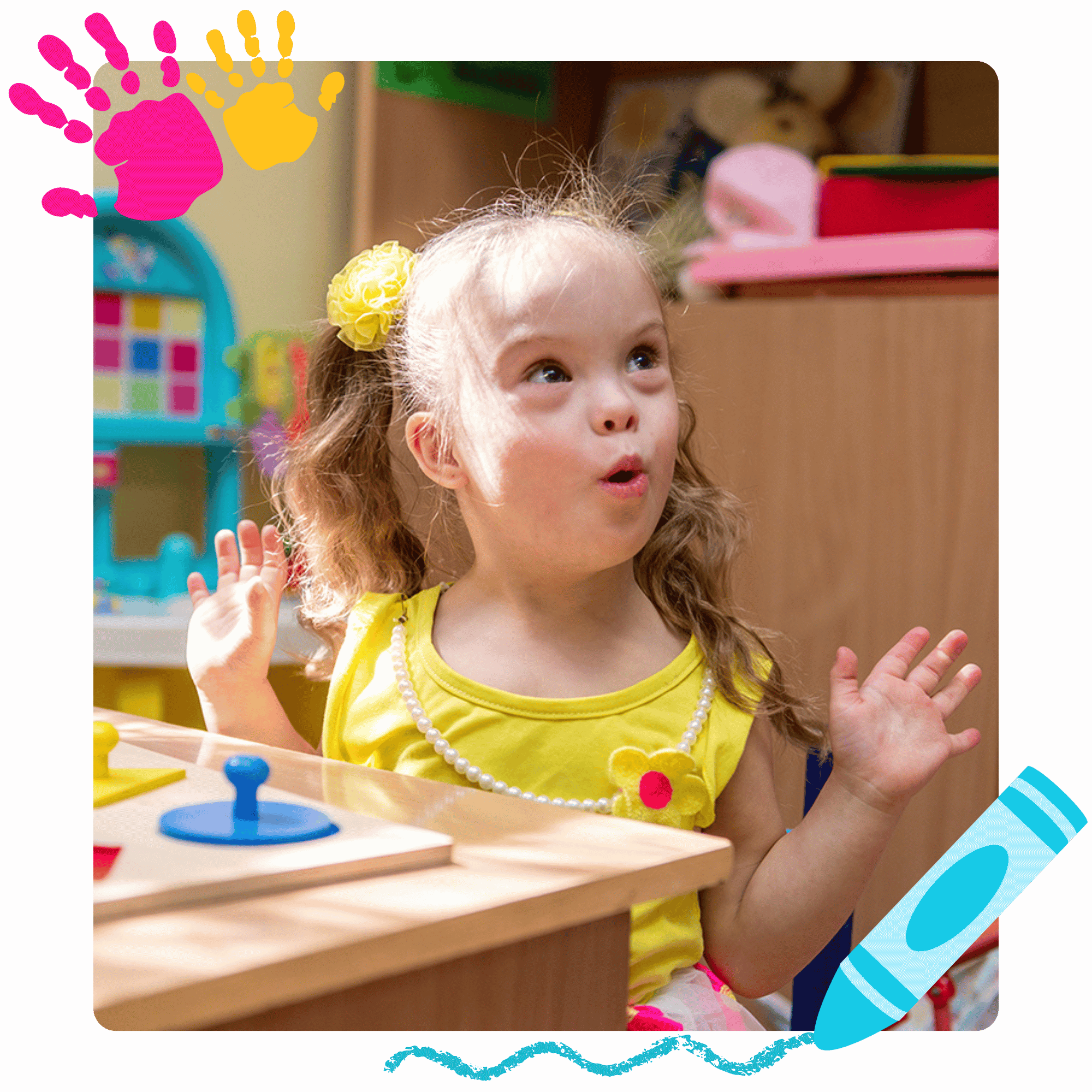
I bring occupational therapy to you!
Pediatric Occupational Therapy for Kids in Central New Jersey
Fine Motor Skills • Handwriting • Sensory Processing • Tummy Time • Early Childhood Development • Retained Primitive Reflexes • Self-Help Skills • Posture & Balance
Ages Served
I provide OT to babies, children, and young adults.
Where I Meet You
I bring OT therapy to you at home, at your child’s daycare, or preschool.
Locations Served
Edison, Woodbridge, Highland Park, Scotch Plains, and Metuchen.
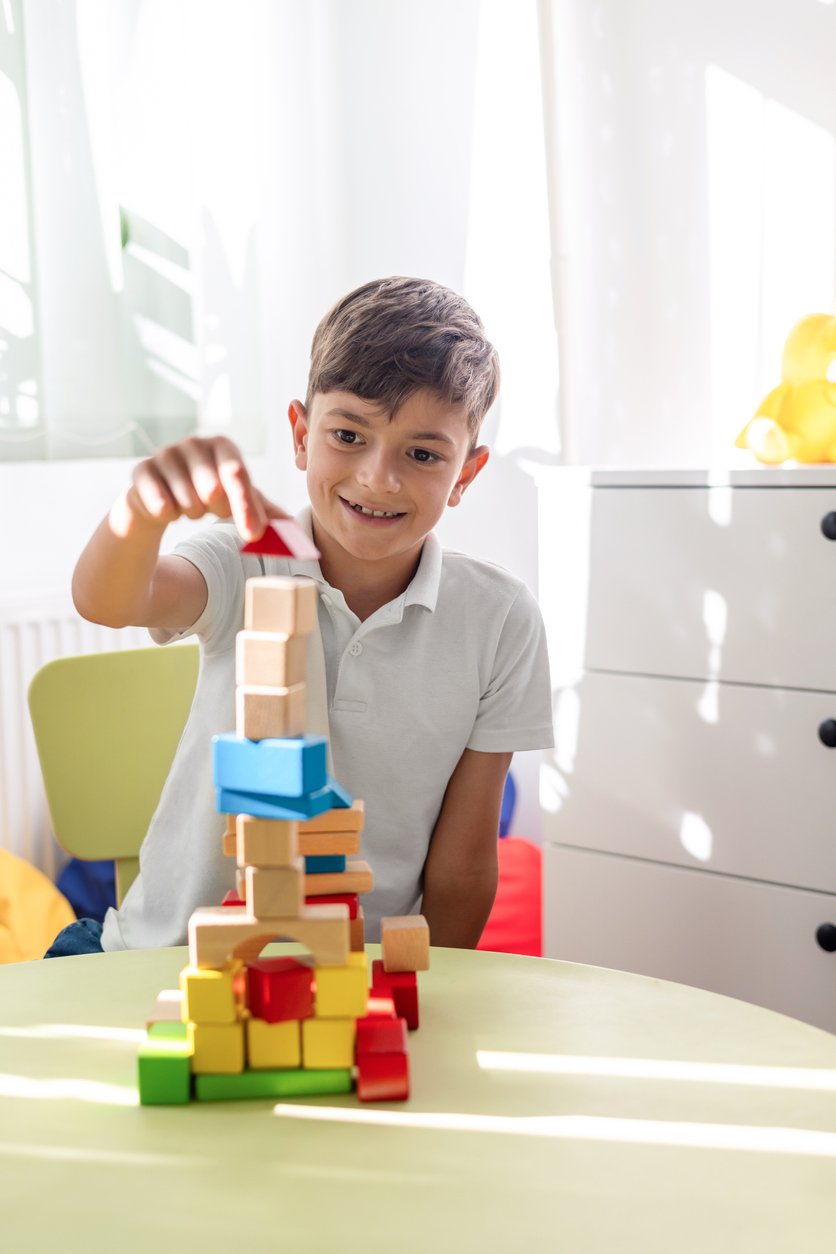

Welcome to Little Paws Occupational Therapy
I know how important your child’s development is. Every small step they take today lays the foundation for everything that comes next!
That’s why I’m passionate about helping children use their bodies and minds to explore, learn, and gain independence.
Our family-centered approach to OT means that everything I do in therapy will make a meaningful difference in your child’s day-to-day life.
And we’ll work together to make sure you have everything you need to turn everyday moments into opportunities for learning.


Specialty OT Services for Unique Kids!
-
Every plan starts with understanding your child. I gather information through a parent interview and by observing your child in action, so I can see what's really going on day to day. If you'd like, formal assessments are available for an additional fee, including tools like the Sensory Processing Measure, a developmental measure, the SOSI-M, and the ETCH.
A parent interview to understand your child's history and your biggest concerns
Observation of your child's targeted behaviors in action
Optional formal assessments for a deeper, more detailed picture
Identification of 3 to 5 target behaviors that matter most for your family
A written report with recommendations, if you choose a formal evaluation
Together, we'll pinpoint what's making daily life harder for your family and build a plan around exactly what your child needs.
-
Tummy time is one of the first building blocks for your baby's development.
If your baby cries or rolls away the moment they hit their belly, you're not alone, and there's a lot that occupational therapists can do to help, such as:
Simple strategies to make tummy time enjoyable for both of you
Tips to build connection with your baby, even on the hard days
Guidance on head control, visual tracking, and upper body strength
Alternatives to container time that get your baby moving and exploring
Small changes now can make a big difference in how your baby moves, explores, and grows.
-
Every day, your child takes in the world through touch, taste, sound, and movement.
When their nervous system is overwhelmed by certain types of sensory input, everyday moments like grass under their feet, a noisy classroom, or a new food can feel like too much. Therapy for sensory processing will focus on:
Gentle and safe exposure to different textures, materials, and foods
Messy play to increase tolerance while having fun
Water play and bathtime activities that build tolerance in a fun way
Support for your child's nervous system so they can respond calmly instead of shutting down or reacting
Guidance on why exposure matters and how to build it into daily life
Preparation for new experiences, like crowds or unfamiliar people
The earlier your child gets comfortable with new input, the more confident they'll feel taking on the world around them.
-
Babies are born with reflexes that are meant to fade as they grow. When a reflex doesn't integrate on schedule, it can show up later as challenges with writing, coordination, or confidence.
I will address the retained reflexes affecting your child through:
Exercises designed to help your child's body catch up
Support for visual scanning, motor planning, and coordination
When these reflexes are integrated, your child's body has an easier time keeping up with everything they're learning, leading to more confidence in the classroom and beyond.
-
If your child sits with their legs tucked behind them (W-sitting) or tires out fast in a chair, their body may be looking for extra support. I help build the strength and habits that make sitting, moving, and playing easier by focusing on:
Core strength building to support better posture
Guidance toward more supportive sitting positions
Help with sitting endurance for school and circle time
Support for participation in sports and other activities such as bike riding
Strategies to build overall strength over time
Better strength and posture make school, play, and everyday moments easier for your child.
-
From tying shoes to getting dressed, these are the everyday skills that build your child's independence. I break each one down so it feels manageable, for both of you. Therapy will focus on:
Support with buttons, zippers, and getting dressed the right way around
Using utensils and mealtime independence
Shoe tying and other fine motor milestones
Bedtime routines that help your child settle on their own
Step-by-step visual routines that build lasting habits
Every skill your child masters is one more step toward doing things on their own.
-
Fine motor skills are essential for your child to be able to button a shirt, use scissors, open a snack, write, and more.
I help your child build these skills through play, so your child develops strength and coordination without it feeling like work.
Occupational therapy for fine motor skills will focus on:
Hand strengthening through toys and games your child will actually enjoy
Coordination for tasks like cutting, buttoning, and manipulating small objects
Pre-writing skills that build a strong foundation for letters
Support for letter formation, sizing, and consistency as writing develops
Occupational therapy will build the strength and coordination so daily tasks feel more automatic and natural.
I also offer services for young adults focused on community independence skills such as paying bills, grocery shopping, ordering food and drinks, etc. Reach out for more information!
Meet Your Occupational Therapist



Caroline Mandel, MS, OTR/L
Owner, Pediatric Occupational Therapist (OT)
I bring over 17 years of experience supporting people of all ages in hospitals, rehabilitation centers, early intervention, schools, and private practice. Along the way, I’ve developed a deep understanding of the skills children need to participate, learn, and feel successful… at school and in everyday life.
OT can be hard work, but I believe learning should feel like fun! I love finding creative ways to build skills through play, movement, and your child’s unique interests. Parents are always invited to jump in and learn alongside their children, and I’ll show you how to use what you already have at home to keep building skills between sessions.
I’m always learning, asking questions, and looking for the right approach for each child. I’m excited to support your family and help your child grow!
Advanced Trainings & Certifications:
Retained Primitive Reflex
Vision: School Strategies And Resources
A Multi-strategy Approach to Pre-K virtual workshop, Learning without tears
Zones of Regulation
Interoception: Pathways towards Regulation
Sensory Versus Behavior
Member of AOTA
Member of NJOTA
Certified by NBCOT


It’s Easy to Get Started!
Little Paws Pediatric Occupational Therapy travels to provide OT in homes, daycares, and community settings. I serve children and families in Edison, Woodbridge, Highland Park, Scotch Plains, and Metuchen, NJ.
-
We’ll schedule a 15-minute phone call to hear your concerns, determine if I am the right fit, and discuss payment options.
-
You will receive some intake paperwork. These forms allow me to learn more about your child and what your family may need support with.
-
Attend an initial “meet and greet!” During this time, I’ll focus on building a relationship with your child and observe their skills during play.
-
I’ll complete formal and informal assessments to gain a deeper understanding of your child’s strengths and challenges. The results will help me create a treatment plan, including therapy goals.

Looking for an “occupational therapist near me?” You’re in the right place!
Little Paws Pediatric Occupational Therapy is accepting new clients for in-home OT in Edison, Woodbridge, Highland Park, Scotch Plains, and Metuchen, NJ.


Frequently Asked Questions About Occupational Therapy
-
Yes, it's common, and there's a lot you can do to make it easier.
Babies often resist tummy time because it's hard work for a body that isn't used to it yet. Small changes, like laying baby on your chest first or using a mirror on the floor, can build tolerance without the tears.
An occupational therapist can show you specific ways to make tummy time work for your baby.
-
Yes, of course, Occupational Therapy can help with toe walking. The child would be evaluated and observed, and if it is a sensory processing issue, OTs can provide strategies.
-
Not necessarily, but it's worth having evaluated. Many kids labeled "clumsy" are actually dealing with a brain that struggles to manage more than one movement task at a time.
Breaking skills down into smaller steps and building body awareness can make a big difference. An occupational therapist can figure out exactly where the gap is and build a plan around it.
-
We do! Occupational therapists will work with your child to help them notice their body's signals, the signals then are sent to the brain and processed with an appropriate motor output.
-
W-sitting usually means your child has low muscle tone or a weaker core, and it feels more stable because it takes less effort to hold.
Over time, relying on it can limit the movement patterns your child needs to build strength, and it can affect the hips and knees. It can also lead to poor sitting endurance later, showing up as trouble sitting through the school day.
An occupational therapist can build core strength and guide your child toward more supportive sitting positions.
-
Every child responds to sights, sounds, textures, and movement a little differently.
But if your child regularly seems overwhelmed by things like loud noises, clothing tags, or crowded places, or seeks out constant movement and touch to feel okay, it may be worth a closer look.
Some children are sensitive to just one or two things. Others struggle with a wider range of input, either avoiding it or seeking it out more than most kids their age.
An occupational therapist can help you figure out what's going on and what to do about it.
-
Yes. Occupational therapy can help improve messy handwriting by building the hand strength, pre-writing skills, and letter memory your child needs to write with more control.
Many schools don't follow a structured handwriting curriculum, so kids often develop habits that stick.
An OT works on lowercase letter sizing and consistency until writing becomes automatic.
Once that happens, your child can focus on what they want to say instead of how hard it is to write it.